
For fitness and cycling in Thailand, open-ear (air-conduction) and bone-conduction headphones both keep your ears unobstructed, improving awareness compared with sealed in-ears. Choose bone conduction when you prioritize stable fit under a helmet and consistent awareness; choose open-ear air-conduction when you want fuller bass and clearer vocals during gym sessions.
Quick Practical Summary for Active Users
- For urban cycling: prioritize helmet compatibility, wind handling, and a stable behind-the-head or earhook design.
- For gym/HIIT: prioritize grip (hooks/clamps), sweat management, and controls you can hit with wet hands.
- Bone conduction ("หูฟังนำเสียงผ่านกระดูก") is often the easiest path to consistent situational awareness, but it can trade off low-end impact.
- Open-ear air-conduction can sound more "music-like" at moderate volume, but may leak more sound in quiet rooms.
- Ignore marketing ANC claims for open-ear: focus on wind reduction, mic placement, and EQ presets you can actually use while moving.
- If you're asking "หูฟัง bone conduction ยี่ห้อไหนดี" or "หูฟัง open ear ยี่ห้อไหนดี", shortlist by fit + controls first, then decide sound profile last.
How Open‑Ear and Bone‑Conduction Tech Works
Both categories aim to keep ear canals open. The decision is mostly about how sound reaches your cochlea and what that means for fit, bass, leakage, and awareness.
- Transducer path: bone conduction vibrates the skull (typically via cheekbone/temple pads); open-ear air-conduction uses small speakers aimed toward the ear canal without sealing.
- Perceived bass at safe volumes: open-ear air-conduction typically delivers more natural low end; bone conduction often needs EQ and firmer contact to feel bass.
- Contact stability: bone conduction depends on pad pressure and placement; open-ear depends on ear geometry and hook tension.
- Sound leakage directionality: open-ear air-conduction can project outward; bone conduction can still leak via airborne harmonics, but often differently.
- Helmet + glasses compatibility: check temples/arms interference, strap paths, and whether the frame sits under helmet retention systems.
- Wind interaction: open-ear speakers and mics can catch wind; look for wind-reduction modes and mic shielding.
- Water and sweat tolerance: validate a clear IP rating target for your use (e.g., "IPX4 or better" for heavy sweat; higher if you train in heavy rain).
- Controls in motion: physical buttons are usually more reliable than touch when sweating or wearing gloves.
- Call quality priorities: cyclists often need wind handling more than absolute mic clarity; gym users often need noise rejection for loud rooms.
Persona verdicts: Beginner runner: choose the design that doesn't move when you accelerate. Urban cyclist: choose what stays stable under helmet straps. HIIT athlete: choose what survives sweat and repeated jumping.
Sound Quality and Music Fidelity in Motion
Movement changes everything: wind, jaw motion, sweat, and higher ambient noise force you to run higher volume. Favor clarity in the midrange (vocals) and stable placement over "spec-sheet" claims.
Comparison of practical options you'll actually see in shops

| Variant | Who it suits | Pros | Cons | When to choose |
|---|---|---|---|---|
| Bone-conduction sport band (behind-the-head) | Cyclists, runners, helmet users | Very consistent awareness; stable under helmets; doesn't block ear canal | Bass impact is limited for some tracks; placement sensitivity (pad pressure matters) | When you want predictable awareness and minimal in-ear discomfort, including "หูฟังนำเสียงผ่านกระดูก สำหรับปั่นจักรยาน" use |
| Open-ear air-conduction earhooks | Gym users, runners wanting better music fidelity | Often fuller bass than bone conduction; clearer vocals at moderate volume | Potentially higher audible leakage; fit depends on ear shape | When you want more "normal headphone" sound for fitness while still staying open |
| Open-ear clip-on (concha clamp style) | HIIT / functional training | Can be very stable during jumps; quick on/off between sets | Pressure hotspots for some ears; sizing/angle is picky | When you need stability for burpees, kettlebells, and fast transitions |
| True wireless with transparency (not truly open-ear) | Gym users who want isolation sometimes | Best bass and isolation when needed; can switch modes | Transparency quality varies; still occludes ear canal and can reduce natural cues | When you want one device for both focused lifting and occasional awareness |
| Neckband "open" speakers (resting near ear) | Casual training, walking, light cycling | Comfortable for long wear; less fiddly controls; easy battery management | More movement bounce; sound can shift with posture; can leak in quiet spaces | When comfort and long sessions matter more than sprint stability |
| Single-ear sport headset (mono) | Riders prioritizing one-side traffic awareness | Maximum awareness on the free ear; simple calls/navigation | Weak music experience; balance/fatigue for long listening | When you mainly need navigation prompts and calls while training outdoors |
Quick listening tests before you commit
- Wind test: walk outside and turn your head left/right; check if vocals smear or volume pumps.
- Jaw test: chew or talk; bone conduction can change tonality if pads shift.
- Volume sanity check: set a moderate volume and see if you can still follow lyrics; if not, you'll be tempted to go too loud on the road.
Persona verdicts: Beginner runner: open-ear air-conduction often feels more musical at easy pace. Urban cyclist: bone conduction often stays intelligible under a helmet with less temptation to seal the ear canal. HIIT athlete: clip-on open-ear wins if it doesn't create hotspots after ten minutes.
Safety and Situational Awareness Outdoors
Open-ear designs help, but they're not a substitute for road positioning and conservative speed. Use scenario rules so you don't rely on audio when conditions degrade.
- If you ride in dense Bangkok traffic, then prefer bone conduction or low-leak open-ear and keep volume low enough to hear horns and overtakes.
- If your route is windy (bridges, coastal roads), then prioritize wind reduction and physical buttons; touch controls often misfire with sweat/gloves.
- If you run on mixed-use paths, then avoid "sealed" modes; choose true open-ear or bone conduction so footsteps and bells remain obvious ("หูฟังนำเสียงผ่านกระดูก สำหรับวิ่ง" is usually the safer default).
- If you train at night, then don't compensate with volume-use lights/reflectives; keep audio for cues, not immersion.
- If you frequently ride with a group, then choose a mic/controls setup that lets you drop volume quickly to talk at intersections.
Persona verdicts: Urban cyclist: default to the option that keeps awareness without needing high volume. Beginner runner: choose comfort first-if it hurts, you'll fidget and lose awareness. HIIT athlete: indoor safety is mostly about hearing coaches and timers; open-ear air-conduction is often enough.
Fit, Comfort, and Sweat Resistance for Workouts
- Map your primary sport: cycling under a helmet, treadmill/weights, or HIIT jumps-each punishes fit differently.
- Check contact points: bone conduction pads must sit consistently; open-ear hooks must not rotate when you shake your head.
- Do a 60-second movement trial: run-in-place, burpees, and head turns; reject anything that shifts.
- Set your sweat/rain target: choose a clear IP rating appropriate to your climate and session intensity (look for explicit IP labeling, not vague claims).
- Prioritize controls you can operate blind: physical buttons or well-separated touch zones; test with wet fingers.
- Confirm helmet + glasses compatibility: wear both; ensure no pressure stack on the temple area.
- Plan cleaning: smooth surfaces and simple grills are easier to wipe down after salty sweat.
Persona verdicts: HIIT athlete: stability and sweat handling beat sound nuance. Urban cyclist: helmet compatibility is a hard requirement-fail it and the rest doesn't matter.
Connectivity, Battery Life, and Real‑World Reliability
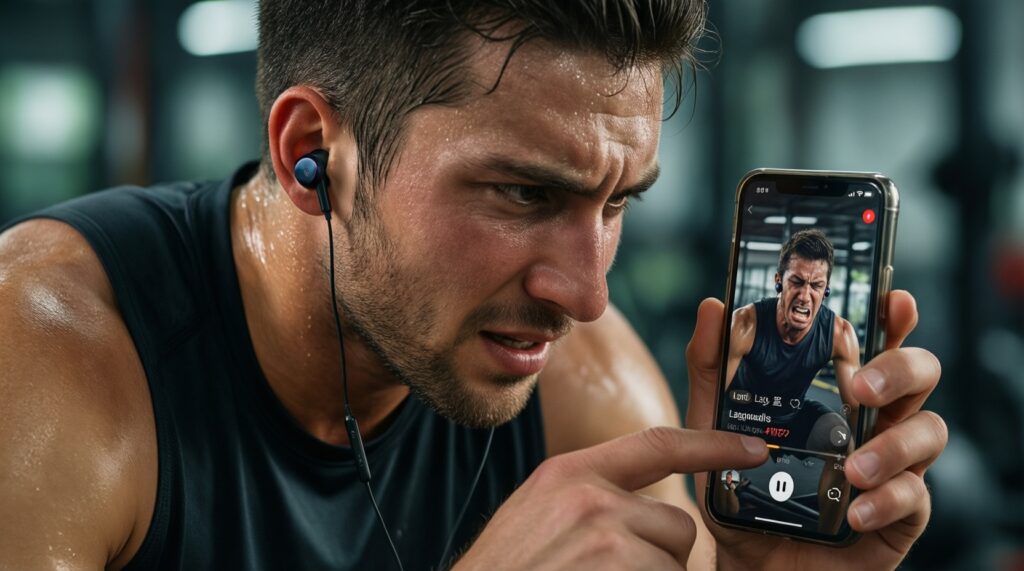
- Assuming all open-ear is low-latency: video lag varies; test your phone + app combo if you watch training content.
- Ignoring multipoint needs: if you switch between Garmin/phone or laptop/phone, confirm multipoint behavior is stable (and how it prioritizes calls).
- Over-trusting touch controls: sweat, sunscreen, and gloves can cause ghost taps-prefer physical controls for cycling.
- Not testing wind on calls: mic quality in a quiet room is meaningless for riders; do a real street test.
- Buying for "maximum battery" without your usage pattern: if you do frequent short sessions, fast charging and reliable case contacts matter more than headline runtime.
- Skipping codec/device compatibility: pick reliability over exotic codecs if your phone doesn't consistently support them.
- Forgetting alert audibility: navigation prompts must cut through traffic noise without forcing music volume too high.
- Underestimating leakage in gyms: open-ear can be audible to neighbors in quiet zones-test at your normal volume.
Persona verdicts: Beginner runner: favor stable pairing and simple controls. Urban cyclist: prioritize wind-resilient calls and quick volume steps. HIIT athlete: prioritize charging reliability and sweat-proofing.
Which Type Suits Each Training Persona
Best match for an urban cyclist is usually a stable bone-conduction sport band when awareness and helmet fit dominate. Best match for a gym-focused lifter is often open-ear air-conduction earhooks for more natural music while staying open. Best match for a HIIT athlete is commonly clip-on open-ear if it passes movement tests without hotspots.
Common Concerns from Runners, Cyclists, and Gym-Goers
Are open-ear headphones actually safer on the road?
They can improve awareness because your ear canal remains open, but volume discipline and road behavior matter more than the category. Treat open-ear as a risk reducer, not a safety guarantee.
Does bone conduction damage hearing less?
Hearing risk is mainly about volume and duration, not the conduction method. Bone conduction can still be used too loud, especially in traffic where you try to overpower ambient noise.
Will bone-conduction work with helmets and glasses?
Often yes, but the temple/strap area can create pressure stacking. Always test with your exact helmet and eyewear because small geometry differences change comfort and pad contact.
Is sound leakage a problem in gyms?
It can be, particularly with open-ear air-conduction at higher volumes. If you train in quiet zones, choose a lower-leak design and keep volume moderate.
What should I prioritize if I'm searching "หูฟัง open ear ยี่ห้อไหนดี"?
Start with fit stability (movement test), control reliability, and sweat rating, then decide on sound signature. A great-sounding pair that shifts during sprints is the wrong pick.
What should I prioritize if I'm searching "หูฟัง bone conduction ยี่ห้อไหนดี"?
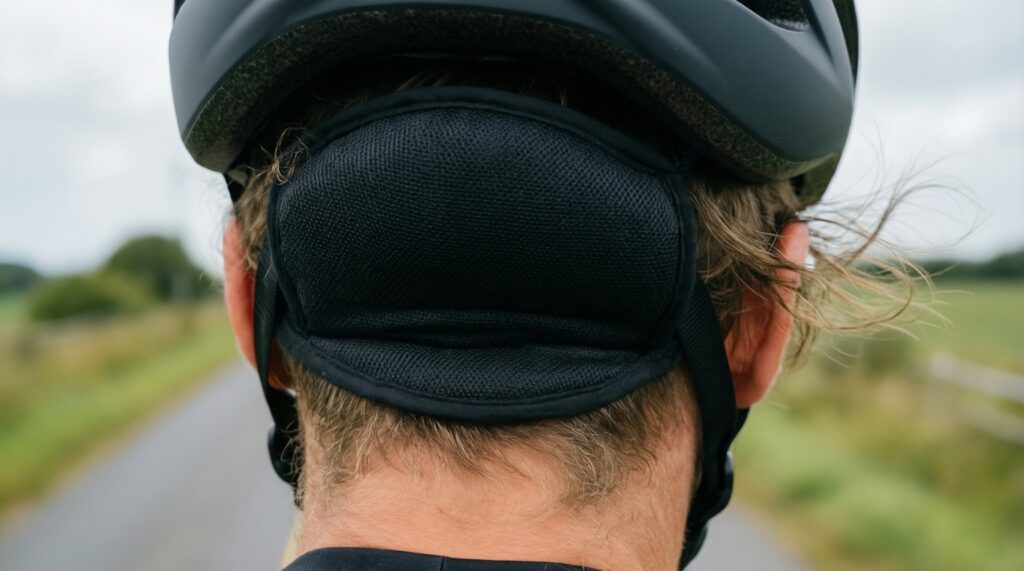
Prioritize pad comfort, stable placement, and how well it stays put under a helmet. Then verify call wind handling if you ride outdoors frequently.
Do I need a dedicated model for "หูฟังนำเสียงผ่านกระดูก สำหรับวิ่ง" vs gym?
Not necessarily, but running punishes bounce and sweat more than lifting. If one pair must do both, choose the design that stays stable during head turns and faster cadence.