
To read a Kickstarter campaign "all the way through" before pledging, focus on three things: evidence of a working prototype, a timeline that matches real manufacturing stages, and a team with verifiable delivery history. This approach answers "Kickstarter น่าเชื่อถือไหม" with practical proof checks, not opinions, and reduces avoidable pledge risk.
Critical checks before you click 'Back this project'
- Confirm there is prototype evidence beyond renders (real photos/video, consistent details, demo limits explained).
- Map the delivery plan to real milestones (design freeze, tooling, pilot run, certification, mass production).
- Verify who is accountable (named people, roles, track record, and a reachable company footprint).
- Scrutinize what can break the plan (new tech claims, stretch goals, supplier complexity, certifications).
- Check communication patterns (update frequency, how they answer hard questions, transparency on setbacks).
Spotting viability and immediate red flags

This is the fastest way to apply เทคนิคอ่านหน้าแคมเปญ Kickstarter ก่อนแบ็ก when you want to decide "back vs. skip" within minutes. It's suitable for intermediate backers who can read specs, compare materials/processes, and spot missing proof.
Do consider backing if the campaign shows a working prototype, names suppliers/processes in plain language, and explains what is still unknown.
Do not back (or only pledge a minimal amount) when you see:
- Only CGI renders, cinematic ads, or "concept visuals" with no real build footage.
- Extraordinary claims with no test method described (battery life, performance, durability, safety).
- Vague manufacturing language ("we will find a factory") with a tight delivery promise.
- Reward tiers that look like a retail store, with many variants and no operations plan.
- Defensive comments behavior (deleting criticism, refusing to answer timeline questions).
Decoding the promised delivery timeline and milestone realism
To evaluate schedule realism (a core part of วิธีดูความเสี่ยงแคมเปญ Kickstarter), you need a few basic tools and access points:
- Full campaign page access: Risks & Challenges, FAQ, Updates, Comments, and reward details.
- A note-taking method: a simple checklist or doc to record dates, claims, and missing evidence.
- Baseline milestone knowledge: concept → prototype → design validation → tooling → pilot build → certification (if needed) → mass production → fulfillment.
- Public verification channels: creator profiles, company website, LinkedIn, past campaigns, press pages (read critically), and third-party demo footage if available.
- Shipping reality check for Thailand: awareness of cross-border delivery constraints, last-mile partners, duties/VAT, and address restrictions (PO boxes, remote areas).
When applying วิธีเลือกสนับสนุน Kickstarter, treat the "Estimated delivery" month as a hypothesis. Your job is to see whether the campaign provides enough milestones and proof to make that hypothesis plausible.
Verifying the team: experience, capacity and past outcomes
Risks and limits to accept upfront (risk-aware):
- Even honest teams can slip due to tooling defects, supplier changes, certification failures, or cashflow gaps.
- Marketing content can look "real" while hiding untested engineering constraints.
- Past delivery helps, but a new product category (e.g., electronics vs. tabletop) resets many risks.
- You can reduce uncertainty, not eliminate it; pledge only what you can afford to have delayed.
-
Identify who actually builds and ships. Find the legal entity or operator (company name, location, and named leads) and confirm they match across the campaign, website, and profiles. If the page only shows a brand name with no accountable people, treat it as higher risk.
- Look for consistent names/roles (hardware lead, ops/fulfillment, customer support).
- Be cautious if all communication is anonymous or outsourced.
-
Check delivery history, not hype. Review past Kickstarter activity: previous projects, update archives, and comment sentiment during delays. A clean marketing story matters less than whether they finished fulfillment and handled support after delivery.
- Search for post-delivery issues: replacements, missing parts, firmware updates, warranty handling.
- If they have no history, demand stronger prototype and manufacturing evidence.
-
Validate proof of work with specific artifacts. Prefer engineering artifacts over lifestyle media: teardown photos, test rigs, tolerance notes, BOM-level discussion (even simplified), and "what failed" explanations.
- Prototype video should show repeatable use, not only staged cuts.
- Photos should be consistent across angles (ports, seams, materials, fasteners).
-
Evaluate operational capacity against scope. Compare team size/experience to product complexity and number of variants (colors, sizes, SKUs). More variants usually mean more QC paths, inventory risk, and shipping errors.
- Stretch goals that add SKUs are risk multipliers unless they show added staffing and supplier capacity.
- "One small team doing everything" can work for simple products, not complex electronics at scale.
-
Pressure-test their timeline statements. Ask (or look for answers) to concrete questions: What is done now? What is the next gate? What could push the date? This directly supports วิธีตรวจสอบทีมงานและไทม์ไลน์ Kickstarter ก่อนสนับสนุน.
- Good sign: they explain dependencies and risks in plain terms.
- Bad sign: they repeat the estimated month without showing intermediate gates.
Budget breakdowns, manufacturing pitfalls and stretch-goal traps
Use this checklist to validate whether the plan is fundable and manufacturable at the promised quality.
- Budget shows major buckets (tooling, materials, assembly, QC, packaging, shipping, taxes/fees) rather than a single vague "production" line.
- They explain whether tooling is new, modified, or already paid for (new tooling increases schedule risk).
- They mention QC approach (incoming inspection, functional testing, burn-in for electronics, sampling plan).
- Stretch goals do not add complex features that require new certification, new tooling, or new suppliers.
- Reward pricing doesn't look unrealistically low compared to materials/process described (too-cheap pricing often means later compromises or cashflow stress).
- They acknowledge failure modes (yield issues, component substitutions, cosmetic defects) and how they will handle rework/replacements.
- They state who owns fulfillment (in-house vs. partner) and how returns/replacements will be funded.
- They avoid "unlimited" promises (lifetime warranty, unlimited cloud services) without a clear support model.
Assessing communication habits and ongoing backer support
Common mistakes backers make when judging campaign communication:
- Equating frequent marketing posts with operational transparency (look for bad news handled well, not only good news).
- Ignoring the Comments section tone: unanswered hard questions often predict support problems later.
- Trusting "we're almost done" without milestone evidence (tooling, pilot run results, certification status).
- Not checking update continuity over time (some projects go silent right after funding).
- Assuming creators will provide Thai-language support; verify support channels and expected response times.
- Overlooking after-delivery support signals: spare parts availability, firmware update plans, warranty process.
- Missing evasive patterns: blaming "the factory" repeatedly with no corrective actions described.
- Accepting vague shipping promises ("worldwide") without listing exceptions, carriers, or duty handling.
Shipping logistics, legal exposure and intellectual-property risks
If the risk profile feels too high, these alternatives often fit better:
- Wait for retail availability when the product depends on complex manufacturing or certifications; you trade early-bird discounts for clearer delivery and warranty terms.
- Back only proven creators (repeat teams with shipped projects) when you want to minimize execution risk, even if innovation is lower.
- Choose local/regional sellers for Thailand when duties, return shipping, or address restrictions could become costly or slow.
- Pledge a lower tier (or no-reward support) when you like the mission but don't want shipping/import uncertainty tied to a physical reward.
Straight answers to backer uncertainties
Kickstarter น่าเชื่อถือไหม if a campaign looks professional?
Professional visuals are not reliability evidence. Trust increases when you see prototype proof, milestone-based timelines, and a team with verifiable delivery history and transparent risk handling.
What is the fastest วิธีดูความเสี่ยงแคมเปญ Kickstarter before pledging?

Check for real prototype footage, a milestone timeline (not just an estimated month), and creator accountability (names, roles, track record). If any one of these is missing, assume higher delay/quality risk.
How do I apply เทคนิคอ่านหน้าแคมเปญ Kickstarter ก่อนแบ็ก to spot "render-only" projects?
Look for consistent real-world photos across angles, uncut demos, and engineering details that match what's shown. If everything is cinematic and nothing shows repeatable use, treat it as unproven.
What does วิธีตรวจสอบทีมงานและไทม์ไลน์ Kickstarter ก่อนสนับสนุน mean in practice?
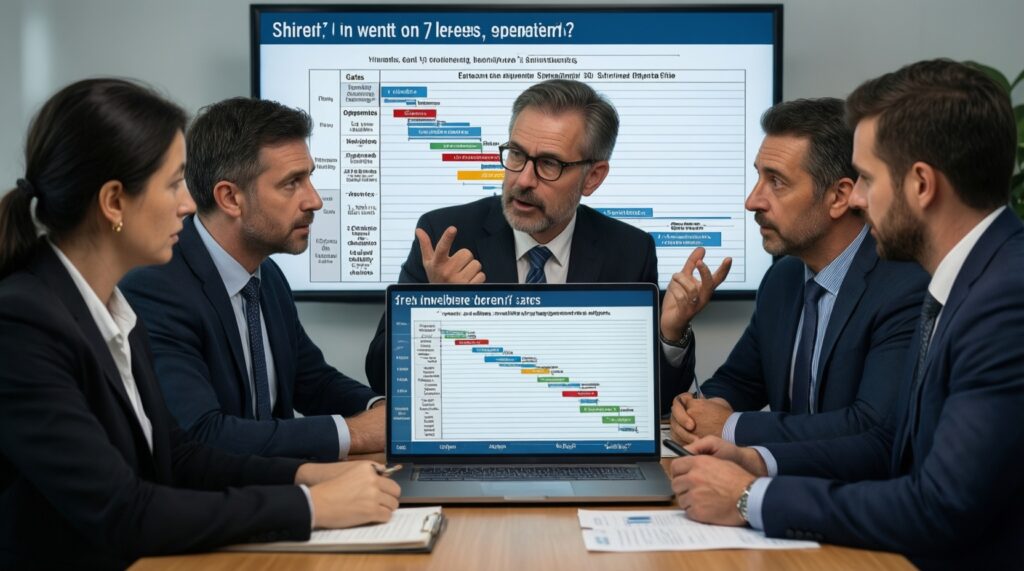
Confirm who leads engineering and operations, then verify whether the timeline includes tooling/pilot/QC steps. If they can't describe gates and dependencies, the date is likely a guess.
Which วิธีเลือกสนับสนุน Kickstarter rule reduces the most regret?
Pledge only if you can explain, in one sentence, what is already proven today and what still needs to be solved. If you can't, you're funding R&D risk, not just production.
Should I worry about shipping to Thailand?
Yes-clarify duties/VAT handling, carrier options, address limitations, and return/replacement logistics. If the campaign is vague on "worldwide shipping," assume friction and extra cost.
Are stretch goals always bad?
No, but feature-adding stretch goals often increase schedule and quality risk. Prefer stretch goals that improve manufacturing or packaging rather than adding new tech or new SKUs.