
To read AliExpress reviews like a pro, don't rely on the star average alone. Verify real customer photos, interpret sub-ratings (shipping, quality, seller service), and audit the review timeline for purchase proof and suspicious bursts. Then cross-check patterns in reviewer language and profiles to reduce the chance of being misled by coordinated or low-effort fake reviews.
What Pro Review-Readers Scan First
- Whether photo reviews look like real use (messy backgrounds, consistent lighting, multiple angles)
- Distribution of ratings (not just the average): are there credible 1-3 star complaints?
- Sub-ratings: shipping vs product quality vs seller service (what is actually failing?)
- Review timing: sudden spikes, many reviews on the same day, or too many early reviews
- Evidence of a real purchase (variant details, sizing notes, packaging, measured specs)
- Reviewer credibility signals (specifics, trade-offs, consistent history)
Spotting Genuine Product Photos and Red Flags
This approach fits you if you're buying items where photos matter more than specs (clothing, accessories, cosmetics tools, refurbished gadgets) and you want a fast credibility check beyond the listing images. Skip or de-prioritize photo for commodity items with standardized specs (cables, simple adapters) where compatibility and return terms are more decisive.
If your main goal is ดูรูปรีวิว AliExpress รูปจริง, treat photos as evidence, not proof: a real photo can still come from a different variant, batch, or seller, and staged photos can still be genuine purchases.
Decoding Sub-Ratings: Shipping, Quality, Seller Service
To do this well you need access to the product page on AliExpress (app or desktop), the review filters (by star rating, with photos, by country/region), and a way to compare variants (color/size/storage) shown in reviews. Optional but helpful: browser translation and a note-taking method (simple notes app).
- Open the review section and enable filters (photos/videos, lowest ratings).
- Check sub-ratings separately: shipping speed complaints can be normal; quality complaints often indicate a listing mismatch; seller service issues can predict dispute friction.
- Match each complaint to the exact variant: many "bad quality" reviews are actually "wrong size/color/expectation" problems.
If you're doing วิธีดูรีวิว AliExpress for higher-risk purchases (electronics, batteries, branded-looking items), weigh quality and seller service higher than shipping.
Timeline Analysis: Why Review Dates and Purchase Proof Matter
- False positives: honest buyers can write short, repetitive reviews, especially with discounts or auto-translation.
- False negatives: fake reviews can include real photos (stolen or from a different order) and detailed text.
- Regional shipping differences can distort "shipping" sentiment (TH buyers may face different logistics routes).
- New listings can have few reviews; don't over-penalize-verify via seller history and external signals.
-
Start with the 1-3 star reviews to find failure modes
Read the worst reviews first to identify the most costly risks (wrong item, DOA, counterfeit-like quality, missing parts). Then check if those issues repeat across time and variants.
- Look for repeated specifics: "screen has dead pixels," "zipper broke in a week," "capacity not as advertised."
- Discount vague rants that don't mention what was received.
-
Check review clustering by date
Scroll and see if many reviews land in a tight window with similar wording. A natural pattern is steady over time; suspicious patterns are bursts with near-identical phrasing.
- Compare early reviews vs recent reviews: batch changes happen.
- Be cautious if a product suddenly "improves" without explaining why.
-
Verify purchase evidence inside the review
Prefer reviews that reference variant choices, sizing, measured dimensions, packaging contents, or setup steps. These details are harder to fake consistently.
- Look for photos showing labels, ports, seams, connectors, or included accessories.
- For clothing: height/weight/fit notes and fabric close-ups matter.
-
Separate "shipping experience" from "product truth"
Late delivery can be a logistics issue, not a quality issue. Don't let shipping complaints drown out product defects; treat them as different risk categories.
-
Cross-validate: do the same complaint appear across different months and reviewers?
A persistent, repeated issue across time is a strong signal. A single dramatic complaint without corroboration is weaker-especially if it lacks photos or specifics.
Language Patterns and Reviewer Profiles that Suggest Authenticity
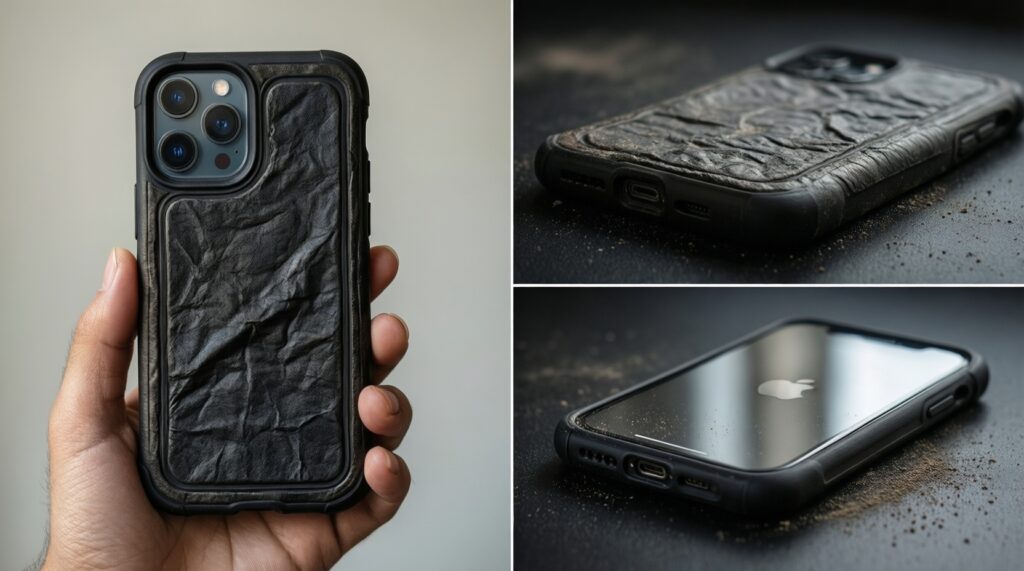
- Mentions both pros and cons (trade-offs) instead of pure hype or pure rage
- References the exact variant (color/size/storage) and how it matches the listing
- Includes "usage context" (how they used it, for how long, on which device)
- Photos show natural imperfections (wrinkles, reflections, dust) rather than catalog-style perfection
- Text and photos agree (no mismatch between claimed color/shape and what's shown)
- Specific comparisons ("thicker than my old cable," "smaller than expected vs the size chart")
- Reviewer has a normal spread of ratings across purchases (not all 5-star)
- Review doesn't overuse generic phrases that could fit any product ("very good quality," "fast shipping," only)
- Consistent formatting quirks across the same user's reviews (suggesting a real person, not copied templates)
This checklist supports วิธีอ่านรีวิว AliExpress ให้ไม่โดนหลอก because it focuses on consistency and verifiability rather than "long review = real review."
Cross-Checking Reviews with Order Numbers, Screenshots, and External Sources
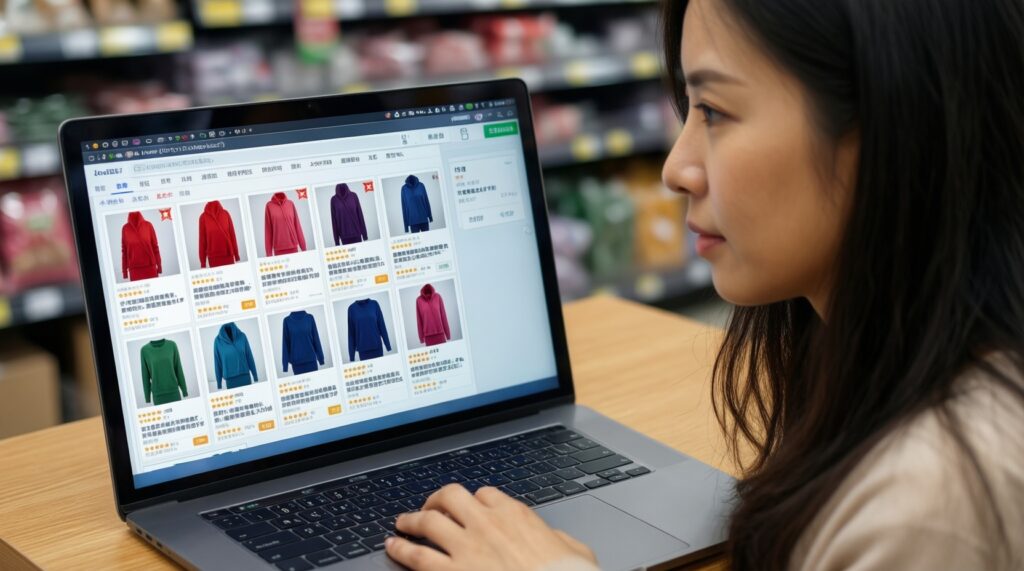
- Assuming photo = truth: photos can be from a different variant or an older batch.
- Ignoring variant mixing: reviews may aggregate across sizes/colors; always confirm the selected variant in each review.
- Overweighting "top" or "most helpful" reviews: these can lag behind new batches or be gamed.
- Confusing logistics complaints with product defects: treat shipping and quality separately.
- Not checking seller context: a "good product" can still be a risky seller for disputes or returns (use this when doing วิธีเช็คร้านค้า AliExpress น่าเชื่อถือไหม).
- Missing localization effects: TH delivery routes and customs timing can skew shipping sentiment.
- Trusting overly polished screenshots: cropped images can hide variant details; prefer multiple photos and wide shots.
- Not searching within reviews for recurring keywords (e.g., "fake," "smell," "thin," "broken," "not original").
- Discounting short reviews entirely: some genuine buyers write minimal text-validate via photo consistency and variant proof.
If your goal is วิธีแยกรีวิวปลอม AliExpress, cross-checking is where you reduce risk the most: you're looking for internal consistency (review ↔ photos ↔ variant ↔ timeline) rather than a single "tell."
Practical Workflow: Step-by-Step Checklist Before You Buy
Use one of these workflows depending on your risk level and time.
-
Fast lane (low-cost items)
Scan photo reviews, read a handful of 1-3 star reviews, and confirm the variant in each. Stop if you see repeated defects across time.
-
Risk-aware lane (electronics, wearables, anything expensive)
Audit timeline clustering, prioritize purchase-proof details, and evaluate seller service signals in reviews. Save screenshots of key reviews and the listing specs before ordering.
-
Fit-and-feel lane (clothing, shoes, bags)
Filter to your region if possible, compare reviewer body metrics and sizing notes, and prioritize fabric/stitched seam close-ups in real photos.
-
Dispute-ready lane (high dispute risk categories)
Before purchase, document the listing claims (screenshots) and identify what proof you'd need if the item arrives wrong (unboxing photos, weight/measurement shots).
Clarifying Common Concerns About Review Trustworthiness
Are photo reviews always real on AliExpress?
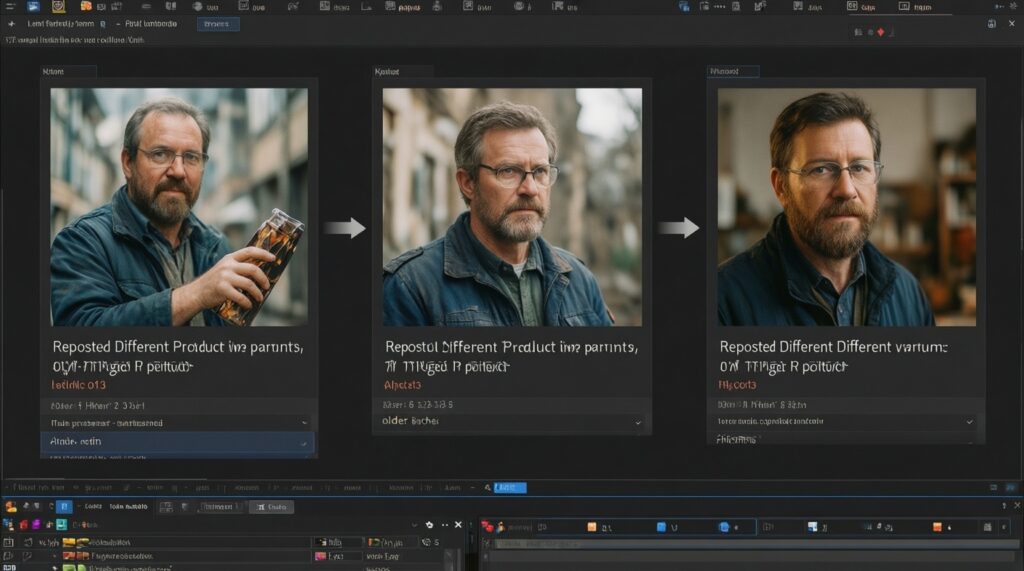
No. Many are real, but photos can be reposted, taken from a different variant, or reflect an older batch. Treat photos as supporting evidence and check variant and timeline consistency.
Why do some reviews look copy-pasted even when they might be genuine?
Auto-translation, low-effort users, and promotional prompts can produce repetitive phrasing. Validate using details that are hard to fake: variant choice, measured specs, and consistent photos.
How many negative reviews are "too many" to proceed?
Don't use a fixed number. Proceed only if negative reviews are isolated, non-repeating, and explainable (e.g., shipping delays) rather than repeating product defects or wrong-item complaints.
What's the quickest way to detect a likely fake-review burst?
Look for many reviews in a short time window with similar wording and similar photo styles. Then compare with reviews from other months to see if the pattern persists.
Should I trust "seller service" sub-ratings?
Use them as a risk indicator, not a guarantee. Repeated reports of refusal to resolve issues matter more than isolated complaints.
If a listing has few reviews, how can I decide safely?
Shift your focus to seller history signals and verifiable listing details, and buy only if you can document claims before purchase. Consider starting with a small order to test fulfillment quality.