
To find "cheap but good" items on AliExpress, you need a repeatable check: verify the seller's track record, read reviews for authenticity signals, scan the listing for counterfeit cues, and only then judge price vs spec. This guide gives safe, practical steps to reduce scams and increase the odds of getting real value.
Quick-prep Checklist for Smart AliExpress Buys
- Shortlist 2-3 comparable listings before deciding.
- Check seller profile signals (age, feedback, store focus) and product consistency.
- Read recent review photos and "low-star" reviews first.
- Scan the listing for counterfeit hints (brand wording, logos, packaging claims).
- Confirm shipping method, delivery promise, and return/dispute terms.
| Check | Why it matters | How to verify |
|---|---|---|
| Seller specialization | General stores are more likely to resell inconsistent batches. | Open the store page; see if most items are in the same category (e.g., only phone accessories). |
| Recent review evidence | Old reviews can reflect a different supplier or earlier quality. | Filter by latest; prioritize reviews with photos/videos from the last few weeks/months. |
| Low-star patterns | 1-3 star reviews reveal recurring defects and misleading specs. | Sort by lowest rating; look for repeated issues (battery capacity, sizing, missing parts). |
| Listing language about brands | Counterfeit sellers often avoid direct brand naming or use evasive phrases. | Look for "for X", "compatible", "style", blurred logos, or inconsistent brand naming across images. |
| Shipping and dispute clarity | Delivery delays and weak evidence can make disputes harder. | Read shipping method details, delivery estimate, and buyer protection/dispute windows in the order page. |
How to Vet Sellers Before You Click Buy
This process fits intermediate buyers who can spend a few minutes comparing listings and reading review evidence-ideal when you're trying ซื้อของใน AliExpress ให้ถูกและดี without gambling on unknown stores. Skip it for urgent gifts, safety-critical gear (helmets, chargers for high-power devices), or anything where a counterfeit could cause harm.
- Check store focus: A store selling "everything" (toys, cosmetics, car parts) is harder to trust than a focused niche store. Example: choose a store mostly selling keyboard switches if you're buying switches.
- Look for consistency across products: Similar photo style, clear specs, and coherent product range are better signals than flashy banners. Example: consistent sizing charts across apparel items.
- Read the store's negative feedback themes: One-off complaints happen; repeated complaints are a pattern. Example: multiple mentions of "capacity not real" for power banks.
- Message the seller once (optional): Ask a specific question that a real seller can answer quickly (e.g., "Is this USB-C cable e-marker 5A?"). Vague replies are a warning.
- Prefer listings with stable history: If the listing looks newly created or recently "reset," rely more on review evidence and less on the headline rating.
If you're specifically looking for วิธีเลือกร้านค้าใน AliExpress ที่น่าเชื่อถือ, treat seller specialization + negative-review patterns as your two strongest early filters.
Interpreting Reviews: Spot Genuine Feedback
You'll need: the AliExpress app or desktop site, the ability to filter reviews (latest, lowest rating), and a few minutes to open reviewer photos in full size. If you can, use on-page translation to compare reviewer wording; repeating phrases across many reviews is a red flag.
- Start with "lowest rating": It quickly reveals misrepresentation. Example: "metal case" but reviewers show plastic.
- Prioritize photo/video proof: Genuine reviews often show messy real-life lighting, packaging, and scale. Example: a ruler next to the item.
- Check reviewer specificity: Real buyers mention fit, smell, heat, noise, or installation effort. Generic praise with no details is weaker evidence.
- Compare review content to the listing claims: If the listing says "original" but reviewers never mention brand authenticity, be cautious.
- Watch for timing clusters: Many similar reviews posted within a short period can indicate incentivized feedback.
Use this as your working method for วิธีดูรีวิว AliExpress รีวิวจริงหรือปลอม: low-star first, then recent photo evidence, then wording patterns.
Detecting Counterfeits and Misleading Listings
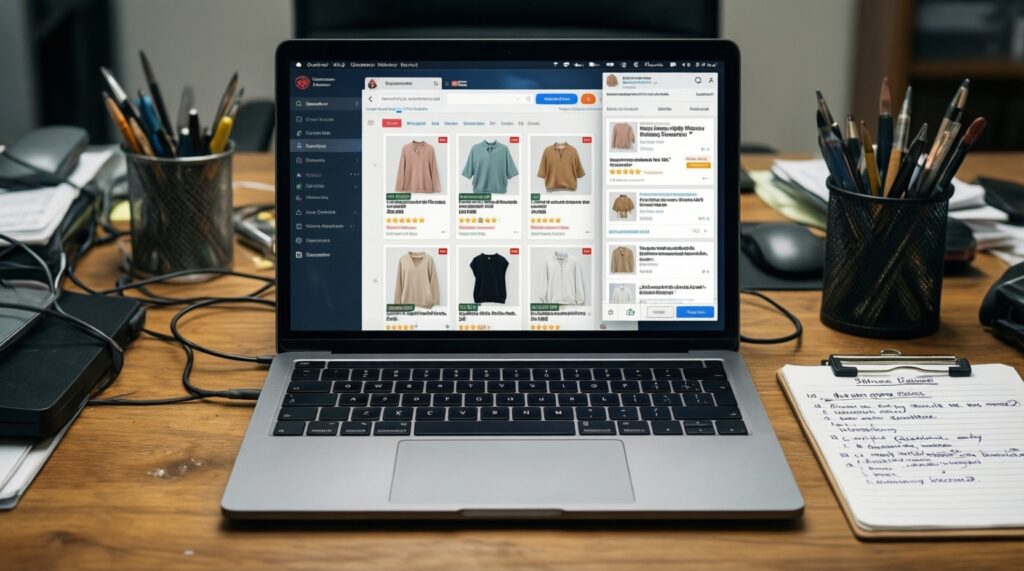
Mini prep-checklist (before you start):
- Save the listing screenshots (title, price, key specs, and main images).
- Open at least one competing listing for comparison.
- Decide your non-negotiables (e.g., "must be genuine leather" or "must be PD 100W").
- Note any brand-related wording you expect to see (or not see).
-
Scan for "brand avoidance" language
Counterfeit or gray-market listings often use evasive wording like "for," "compatible," or "style," while showing a logo in photos. If the listing avoids the brand name but uses brand-like imagery, treat it as high risk.
- Example: "for iPhone" is normal for accessories; "style of Nike" for shoes is a major warning.
-
Check image consistency and editing artifacts
Stolen or composited images can signal misrepresentation. Look for inconsistent shadows, mismatched fonts on packaging, or different product details across photos.
- Example: one image shows a metal hinge; another shows plastic.
-
Validate specs against physical limits
If the specs look "too good," assume the listing is optimistic until proven by reviews. Compare capacity, weight, dimensions, and claimed materials with review photos and competitor listings.
- Example: a "huge capacity" power bank with unusually low weight is suspicious.
-
Cross-check packaging and included accessories
Counterfeits often have generic packaging or missing standard inserts. Use review photos to confirm what actually arrives (manuals, seals, cables, spare parts).
- Example: earbuds arrive in a plain box while the listing shows retail packaging.
-
Look for policy and warranty misdirection
Listings that imply an official warranty without a clear process are risky. If "official warranty" is claimed, check whether the seller explains how it's honored internationally.
- Example: "1-year warranty" but no mention of where service happens or what proof is required.
-
Decide using evidence, not discounts
Do not let flash sales override warning signals. If you see multiple counterfeit cues, pick a different listing-even if it costs more.
This is the practical core of วิธีเช็กของปลอมใน AliExpress: language + images + spec reality + review evidence, in that order.
Price vs Quality: When a Low Price Is Actually Good
- Comparable listings match on key specs: The low-price item isn't "cheaper" because it's missing a feature you need (e.g., lower wattage, smaller size).
- Reviews confirm the exact variant: Color/size/model in reviews matches what you will buy; avoid mixed-variant confusion.
- Real photos show acceptable build quality: Seams, connectors, labels, and finish look consistent across multiple buyers.
- Low-star issues are not deal-breakers: Complaints are about shipping speed or packaging, not core function.
- Seller has repeat buyers in the same category: Multiple reviews mention second purchases or "ordered again."
- Listing is precise, not hype-driven: Clear measurements, material descriptions, and compatibility notes.
- Price is low for a logical reason: Unbranded, older model, bulk packaging, or simple design-rather than "miracle" performance.
If you want a reliable approach to ของถูกแต่ดี AliExpress แนะนำ, use this checklist to justify the low price with evidence, not optimism.
Shipping, Returns and Dispute Strategies
- Ignoring the shipping method details: Some methods have weaker tracking; choose options with clearer tracking when the item value is meaningful.
- Not reading the return conditions before buying: "Free returns" may apply only in specific situations or require strict packaging and timing.
- Missing the evidence window: If something is wrong, document it immediately; delays reduce credibility in a dispute.
- Throwing away packaging too early: Keep the shipping label and packaging until you confirm the item is correct and working.
- Accepting partial refunds without confirming impact: For counterfeit or wrong-item cases, partial refunds can leave you stuck with unusable goods.
- Failing to communicate clearly in disputes: Provide concise facts (what was promised vs what arrived) and attach clear photos/videos.
- Not checking compatibility for Thailand (TH) use: Power plugs, voltage ranges, language/local network bands, and import restrictions can affect usability.
Post-purchase Verification and Documentation
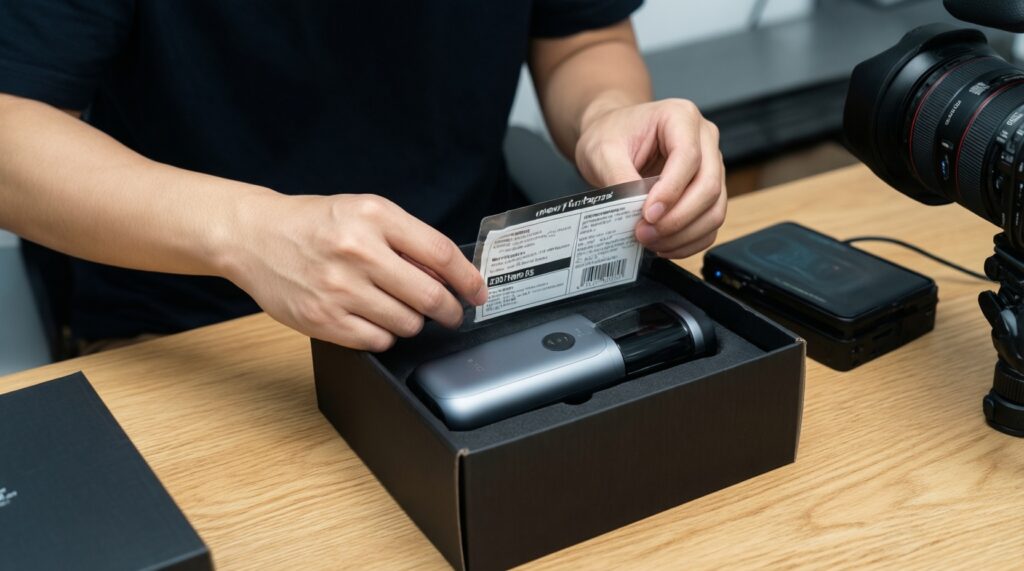
Alternatives to reduce risk after ordering, depending on what you bought and how valuable it is:
- Record an unboxing video: Best for high-risk categories (electronics, branded-looking items). It creates a single timeline showing package condition, labels, and contents.
- Do a "first-day stress test": Useful for electronics and wearables-charge, connect, and run basic functions early so you can report issues within protection windows.
- Authenticate via community references: For niche items (keyboard switches, watches, figurines), compare photos to trusted community guides and known markers-useful when seller claims are vague.
- Switch to an official or local channel for critical items: For safety-critical gear or anything requiring certified compliance, buy from authorized sellers in Thailand even if the price is higher.
Common Practical Concerns and Short Answers
Is it possible to reliably buy "cheap but good" items on AliExpress?
Yes, if you verify seller focus, prioritize recent photo reviews, and treat brand-like listings as high risk unless evidence is strong. Your goal is to reduce uncertainty, not eliminate it.
What's the fastest way to screen a seller before buying?
Open the store page, check if the store specializes in your product category, then read the lowest-star reviews for recurring problems. If patterns show wrong specs or fake branding, skip.
How can I tell if AliExpress reviews are real or fake?
Trust reviews with specific details and original photos/videos more than generic praise. Clusters of similar wording posted close together are weaker signals.
What are the clearest signs of counterfeits in a listing?
Evasive brand language paired with logo imagery, inconsistent photos, and unrealistic specs are the biggest red flags. If two or more appear together, choose another listing.
Should I pay more for better shipping to Thailand?
For higher-value items, clearer tracking and more reliable delivery can be worth it. For low-value items, prioritize buyer protection terms and strong review evidence instead.
What evidence should I prepare in case I need a dispute?
Keep screenshots of the listing specs, take clear photos of labels and the item, and record a short unboxing video when risk is high. Concise before/after comparisons win disputes.
When should I avoid AliExpress entirely?
Avoid it for safety-critical products, items requiring certified compliance, and anything you must receive by a fixed date. In those cases, use authorized sellers or local retailers in TH.