
IPX is a standardized water-ingress rating that tells you how well earbuds resist splashes, sweat, or immersion; it does not guarantee "sweatproof forever" or protection from soap, salt, or charging while wet. For Thailand's heat and sudden rain, choose an IPX level based on your workout intensity, exposure time, and how much risk you can tolerate.
Core IPX Concepts for Active Earbuds
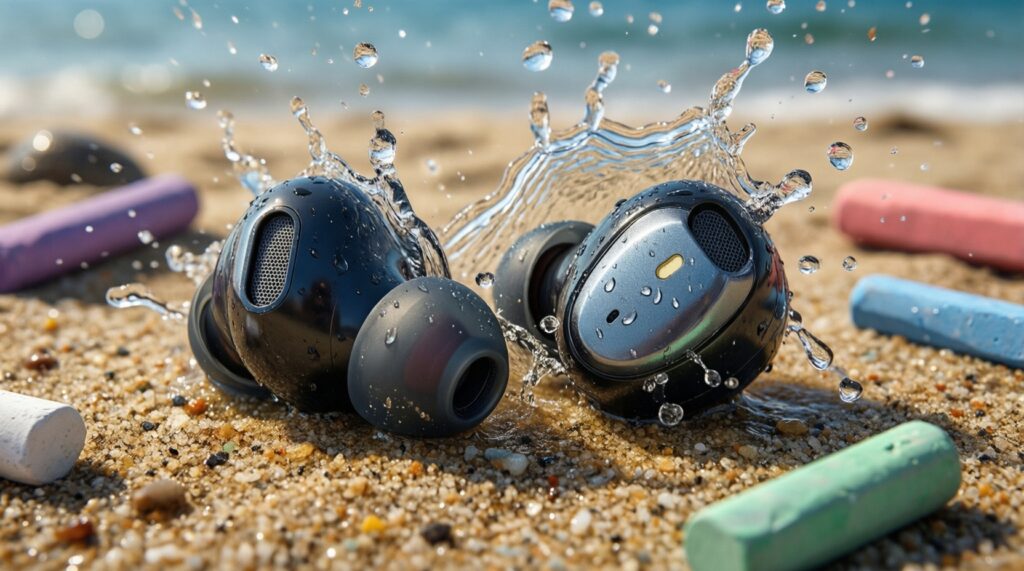
- IPX covers water only (the "X" means no stated dust rating), so beach sand or gym chalk can still cause issues.
- Higher IPX usually reduces water risk but can increase comfort/sound trade-offs (tighter seals, fewer vents).
- Lab pass ≠ real-life immunity: sweat chemistry, sunscreen, and repeated heat cycles can degrade seals over time.
- Your biggest failure points are typically charging contacts, mic meshes, and case lids-not just the earbuds.
- Implementation choices matter: a conservative IPX5 pick plus good care can be lower hassle than chasing IPX8 without changing habits.
What IPX Ratings Actually Measure
IPX is part of the IEC 60529 "Ingress Protection" system and indicates resistance to water entering the product. Earbuds are usually rated IPX4 to IPX8. The rating is about controlled test conditions, not every liquid or every usage pattern.
Practically, IPX helps you compare risk: how likely water is to reach electronics during sweating, rain, rinsing, or accidental drops into water. It does not define resistance to corrosion from sweat minerals, detergents, chlorinated pool water, or high-pressure jets (unless explicitly rated for jets).
When people search for หูฟังกันน้ำ IPX7 ราคา or หูฟังไร้สาย ออกกำลังกาย IPX8, they often assume "higher is always better." In reality, you're selecting a design strategy with different convenience and failure modes.
Mapping IPX Levels to Real-World Workouts
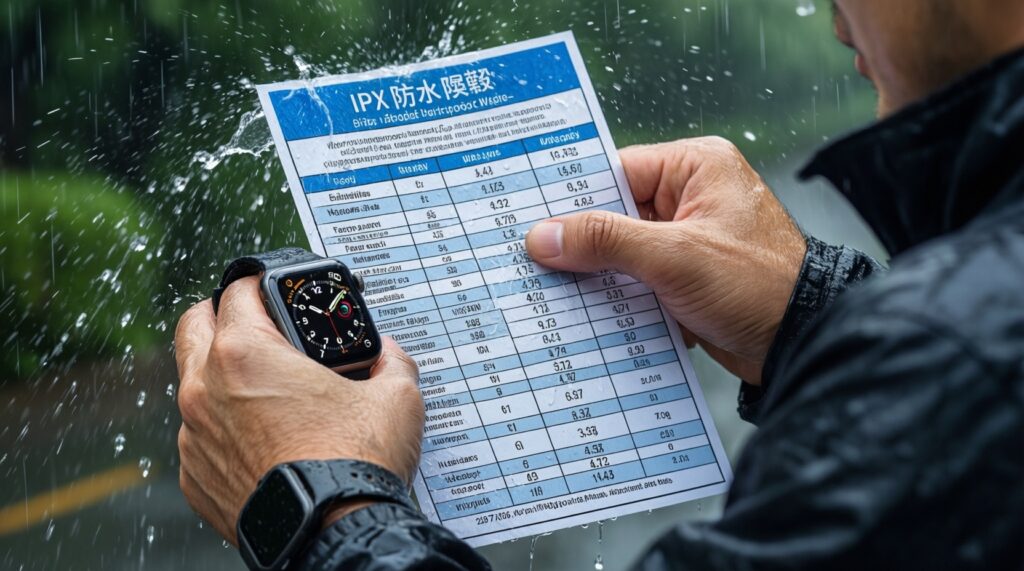
Use the rating to map your routine to a likely exposure pattern, then choose the lowest level that keeps risk acceptable and maintenance realistic.
| IPX level | Typical exposure it targets | Good fit for | Do | Don't |
|---|---|---|---|---|
| IPX4 | Splashing water, sweat, light rain | Indoor gym, casual runs with limited rain exposure | Wipe dry after use; keep charging contacts clean | Rinse under a tap; wear in heavy downpours for long periods |
| IPX5 | Water jets (lower pressure), heavier sweat and rain | Regular runners; common choice for หูฟังออกกำลังกาย กันเหงื่อ IPX5 | Use for outdoor cardio in Thai humidity; dry before charging | Assume it's safe for submersion; clean with soap directly on meshes |
| IPX6 | Stronger water jets | Cycling in rain, intense training with frequent rinsing habits | Prefer if you often get caught in sudden storms | Charge immediately after a wet session |
| IPX7 | Temporary immersion (short time, shallow) | Accidental drops in puddles; more margin for "oops" moments | Choose if you want lower immersion risk with moderate setup effort | Assume the case is also IPX7 unless stated |
| IPX8 | Immersion beyond IPX7 (manufacturer-defined conditions) | High-risk environments; people comparing หูฟังบลูทูธ กันน้ำ กันเหงื่อ สำหรับวิ่ง who also face frequent heavy rain | Read the brand's specific IPX8 conditions; prioritize warranty clarity | Assume all units behave the same after wear-and-tear over months |
- Low friction approach (easy, moderate risk): IPX4-IPX5 + strict "dry-before-charge" habit + weekly cleaning. This is often the simplest daily workflow.
- Balanced approach (medium effort, lower risk): IPX5-IPX6 + better-fit tips/hooks + carry a small drying cloth. Good for frequent outdoor workouts.
- High margin approach (more constraints, lowest water-risk): IPX7-IPX8 + careful attention to seals/meshes + more conservative cleaning. Lower immersion risk, but can be less forgiving for long-term clogging and comfort.
- Case matters: even if earbuds are IPX7, the charging case often isn't; this is a common real-world failure point.
- Plan for Thai climate: humidity encourages moisture to linger in mic meshes and charging wells, increasing corrosion risk even when "waterproof."
Design Trade-offs: Water Resistance, Fit and Sound Quality
Higher water resistance is usually achieved with tighter sealing, fewer open vents, thicker meshes, and adhesive barriers-each affects comfort, call quality, and maintenance.
- Seal-heavy "water-first" earbuds: lower water ingress risk, but can feel pressurey and amplify footstep thumps (occlusion); sweat can still clog meshes over time.
- Vented "comfort-first" earbuds: often feel cooler in Thai heat, but vents and mic ports increase water pathways, so the effective risk is higher in heavy rain.
- Sport hooks/wings vs no hooks: hooks improve stability (less need to push earbuds in with wet hands), but add parts that trap sweat and require more cleaning.
- Touch controls vs physical buttons: touch surfaces are easier to seal but can mis-trigger with water; buttons can be more reliable when wet but introduce mechanical openings.
- ANC and mic performance: extra mic ports/meshes increase exposure points; robust sealing can reduce clarity if meshes clog with skin oil + sweat.
How IPX Testing Is Performed in the Lab
- Pros of IPX tests
- Repeatable setup: defined spray/jet/immersion conditions enable comparison across models.
- Clear minimum bar: if a product claims IPX5 or IPX7, it should meet that baseline when new and correctly assembled.
- Useful shorthand for purchase filtering in Thai marketplaces when you're comparing categories like หูฟังกันน้ำ IPX7 ราคา.
- Limits and blind spots
- Real sweat isn't clean water: salts, acids, sunscreen, and heat accelerate corrosion and adhesive fatigue.
- Wear-and-tear isn't fully represented: repeated tip changes, drops, and pocket lint can compromise meshes and seams.
- "IPX8" is not one universal condition: the manufacturer defines depth/time; compare statements, not just the number.
Selecting an IPX Rating Based on Activity and Climate
- Mistake: treating IPX as a lifetime guarantee. Even high ratings can fail if you repeatedly charge while damp or store earbuds wet in a closed case.
- Mistake: ignoring your workflow. If you won't dry them, an IPX7-IPX8 model can still corrode at contacts; pick a level you can support with habits.
- Myth: higher IPX always means better for running. For many runners, IPX5 plus stable fit is safer than IPX7 with poor fit (more handling with wet fingers increases risk).
- Myth: the case is protected too. Confirm the case rating explicitly; many failures occur when a wet earbud is docked and starts charging.
- Practical selection rule (for วิธีเลือกหูฟังออกกำลังกาย กันน้ำ IPX): choose the lowest IPX that covers your worst realistic exposure, then spend effort on fit and drying discipline.
Care, Troubleshooting and Warranty Considerations
Mini-case: You run outdoors in Bangkok, sweat heavily, and sometimes get caught in sudden rain. You buy "sport" earbuds, then notice muffled sound after two weeks. The common cause is moisture + oil clogging the nozzle mesh, not an instant electronics failure.
- After every session: wipe earbuds and tips; leave them out to air-dry before docking.
- If audio becomes muffled: remove tips, inspect mesh for blockage, gently dry; avoid pushing debris into the nozzle.
- If one side won't charge: dry the earbud and case wells, clean contacts carefully, then retry after moisture fully evaporates.
- Warranty reality: many brands treat liquid damage as conditional; keep proof of rating claims and follow their care instructions to reduce dispute risk.
Self-check before you buy and during use
- I know my worst exposure (heavy sweat only, heavy rain, or possible immersion) and picked an IPX level accordingly.
- I confirmed whether the charging case has any water resistance rating.
- I will not charge immediately after a wet workout; I can air-dry first.
- I chose fit/security (tips/hooks) that reduces how often I touch/adjust earbuds with wet hands.
- I have a simple cleaning routine to prevent mesh clogging and contact corrosion.
Common Practical Questions About IPX and Daily Use
Is IPX the same as "sweatproof"?
No. IPX describes water ingress resistance in a test, while sweat introduces salts and oils that can clog meshes and corrode contacts over time.
Do I need IPX7 or IPX8 for running?
Usually not. For most runners, IPX5-IPX6 plus stable fit and proper drying reduces real-world failures more than chasing immersion ratings.
Can I rinse IPX-rated earbuds under the tap?
Only if the brand explicitly allows it for your model. Even with higher IPX, tap rinsing can drive water into mic meshes and leave mineral residue if not dried properly.
Does "IPX8" mean I can swim with them?
Not automatically. IPX8 conditions are manufacturer-defined, and pool chemicals plus movement can exceed what was tested.
Why do earbuds fail even when the IPX rating is high?
Common causes are charging while damp, corrosion at contacts, clogged acoustic meshes, and repeated heat/sweat cycles degrading seals-not a single dramatic water event.
What matters more: IPX level or fit?
Both, but fit often determines handling risk. Poor fit leads to frequent adjustments with wet hands, which increases water pathways and accelerates wear.
Should I prioritize the earbuds rating or the case rating?
Prioritize both. A high-rated earbud repeatedly docked into an unprotected case while wet is a high-risk setup.